Description
Cinnamon is a medium-sized evergreen tree belonging to the Lauraceae family and Cinnamomum genus, originally native to China. Cinnamon bark is grayish-brown and is commonly used as a spice, culinary ingredient, and traditional herbal material. Its traditional applications include warming and comforting properties, supporting digestive health, and promoting overall balance. According to Shennong’s Classic of Materia Medica: “It has a pungent and warm nature, supports vitality, nourishes the spirit, harmonizes complexion, benefits joints, and strengthens the body.” Compendium of Materia Medica records that cinnamon helps strengthen muscles and bones, support circulation, and enhance the effects of other herbal ingredients.
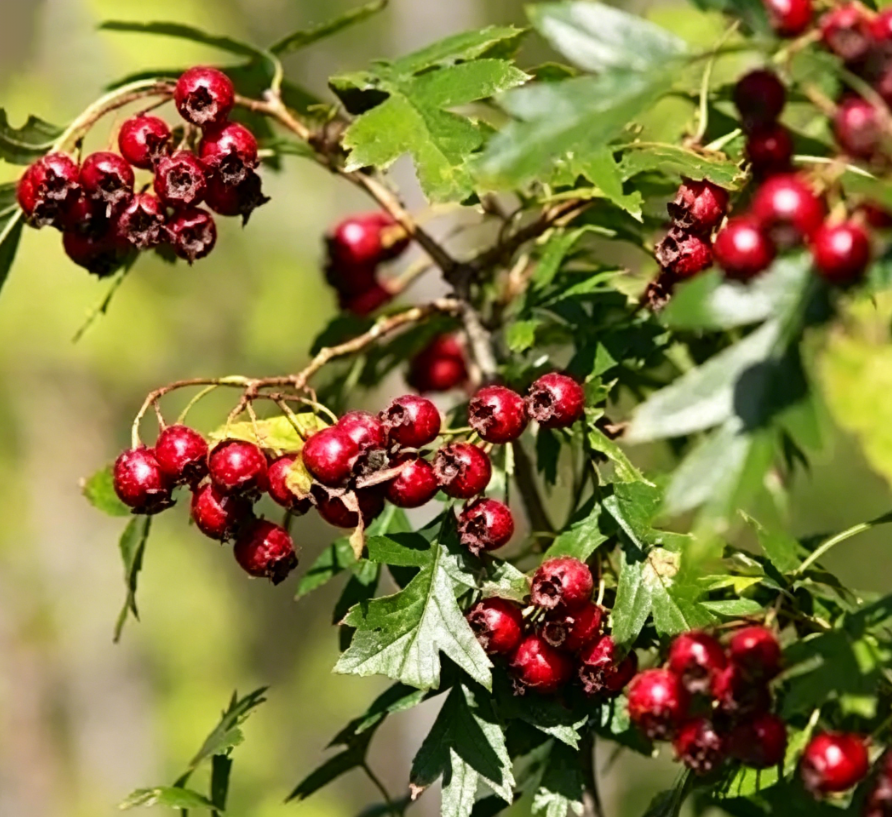
Wild hawthorn is a traditional herbal ingredient belonging to the Rosaceae family and Crataegus genus. It was first recorded in Variorum of Materia Medica and is traditionally used for supporting digestion, promoting appetite, regulating digestive function, and maintaining overall wellness. Modern studies have shown that hawthorn extracts have been widely investigated for their potential applications in cardiovascular health, digestive care, metabolic balance, and antioxidant protection. It also exhibits antibacterial and antioxidant activities.
Neopicrorhiza is a perennial herbaceous plant belonging to the Scrophulariaceae family. With a bitter taste and cooling nature, it is traditionally recognized as an important herbal ingredient for balancing internal heat and was first recorded in Tang Materia Medica.
Neopicrorhiza has traditionally been used for its heat-clearing, soothing, detoxifying, and conditioning properties. Modern pharmacological studies have reported its potential antioxidant, antibacterial, liver-conditioning, immune-supporting, and metabolic-regulating activities.