Description
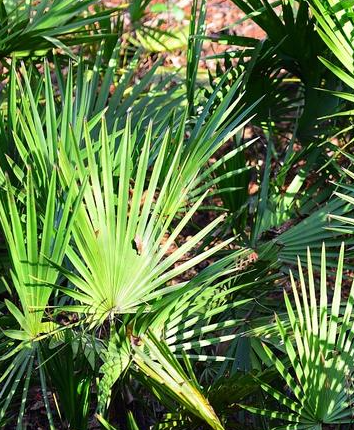
Ingredient Description Serenoa Serrulata Fruit Extract Serenoa repens (Bartr.) Small is a small palm plant belonging to the Serenoa genus of the Arecaceae family. Its berries range from dark red to black and are found in the middle of the leaves, with a characteristic fragrance similar to vanilla. The dried fruits can be used for tea preparations, and the fruit oil is also widely utilized. According to the United States Pharmacopoeia and related literature, saw palmetto fruit has traditionally been valued for its antimicrobial, soothing and skin-conditioning properties. Its fruits contain abundant free fatty acids and other bioactive compounds, which may help regulate inflammatory pathways. It demonstrates inhibitory activity against fungi, yeast and Gram-positive bacteria.
Cinnamomum Cassia Bark Extract Cinnamomum cassia (L.) D. Don is a traditional food and medicinal botanical from the Lauraceae family. The bark is the main utilized part and has been widely applied throughout history in aromatherapy, culinary applications and traditional medicine. With a history of more than 5,000 years of use, cinnamon bark has been recorded in traditional Chinese herbal literature. It contains various bioactive compounds and exhibits antioxidant, skin-conditioning and antimicrobial properties. Cinnamon contains medium-chain fatty acids and other active components that may affect microbial metabolism, showing broad-spectrum antibacterial activity in laboratory studies.
Garcinia Cambogia Fruit Extract Garcinia cambogia is a traditional botanical ingredient. Historical records describe its resin as a yellow pigment traditionally used in painting. According to traditional herbal references, Garcinia cambogia has been used for applications related to soothing, cleansing and skin conditioning. Modern research indicates that it contains bioactive compounds such as xanthones and benzophenones, demonstrating antioxidant, anti-inflammatory and antimicrobial activities, with inhibitory effects against microorganisms including Candida albicans and Aspergillus niger.